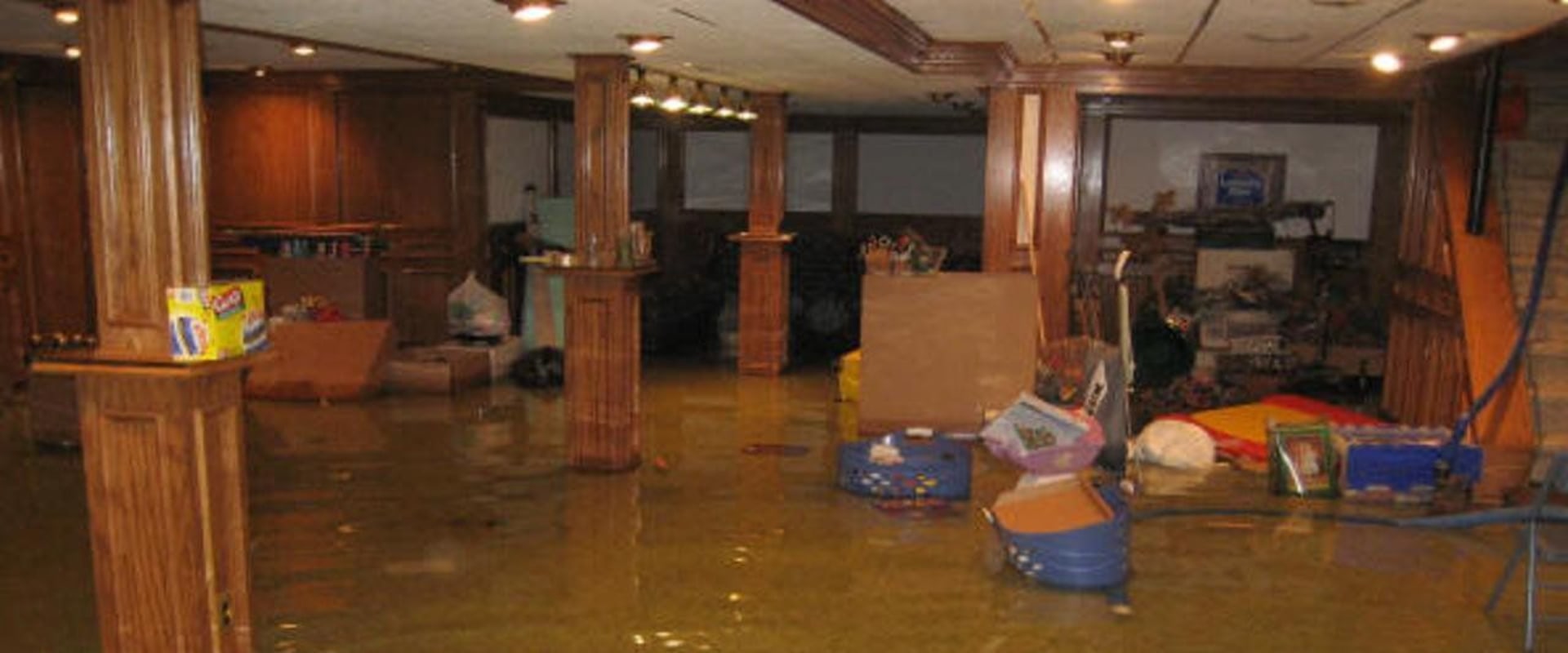
Flood Damage and Your HVAC System: What Wilmington NC Homeowners Need to Know
You live in Wilmington long enough, you get used to water being part of the deal. Hurricane season shows up, storms roll in off the coast, and this beautiful beach town turns into a reminder that nature really couldn't care less about where you built your house.
When those floodwaters start rising, your HVAC system becomes something you can't ignore anymore—even though, let's be honest, most of us never think about it until something breaks. Your heating and cooling system wasn't built to work underwater. I know that sounds obvious, but I can't tell you how many homeowners see their AC unit sitting in a foot of murky water and figure it'll dry out eventually. Spoiler: it won't.
Why Floodwater Wrecks HVAC Systems
Floodwater isn't like the water from your garden hose. Even clean water would cause issues, but what comes during a flood? You're looking at sewage, chemicals, mud, random debris, bacteria—basically everything nasty that got swept along with the storm.
Your HVAC has coils, wiring, ductwork, all these little spaces where that contaminated mess settles in and starts doing damage right away. The contamination spreads beyond what actually got dunked underwater. Those air ducts above the waterline? They turn into perfect little breeding grounds for bacteria and fungi. Not exactly what you want blowing through your house every time the AC kicks on.
This is why just wiping things down doesn't cut it—you need real disinfection if you care about your family breathing clean air.
Physical and Electrical Damage
Then you've got the physical beating everything takes. Hurricane winds whip debris around that bends fins, dents the casing, tears things up. Power surges—and trust me, they happen during every major storm—can fry capacitors, compressors, wiring, fuses, all of it.
Your unit might look fine standing there, but inside? Corrosion's already starting in places you can't even see.
Rule Number One: Leave It Off
⚠️ Critical Safety Warning: This is where people screw up big time. Water goes down, things dry out a bit, you're sweating and miserable, and you just want your AC working again. So you hit that switch.
Don't.
Looks can fool you with flood-damaged HVAC equipment. Just because it appears normal doesn't mean it's safe. Water could've messed with electrical parts, set up short circuits that are sitting there waiting to go off, or left contamination that'll spread everywhere the second you fire up the system.
You need someone who actually knows what they're doing to check everything first. Contact a licensed HVAC contractor before touching that thermostat.
To Fix or Replace—The Conversation Nobody Wants
This conversation sucks. You've already dealt with flood damage throughout your house, bills are stacking up, and now some contractor's telling you the whole AC unit might need replacing.
Look, HVAC systems are built for specific conditions. Underwater isn't one of them. Every situation's different—how deep the water got, how long everything sat submerged, whether the unit was running when it happened. All that stuff matters.
When Repair Makes Sense
Sometimes the damage is limited to something easy to swap out. Maybe just the electrical panel got wet, or only the bottom part of the outdoor unit saw water. Those times, yeah, a repair makes sense.
When Replacement is the Smarter Move
But honestly? When flood damage is involved, replacement usually ends up being the smarter move for your wallet and your safety. Think about it this way:
- Efficiency loss: If your outdoor condenser coil got covered in that grimy flood mess, even after you clean it, efficiency drops. Bad. A dirty coil forces the whole system to work harder, which means other parts fail faster.
- Hidden damage: You save some cash on the repair now, then six months later you're dealing with another breakdown.
- Refrigerant system breach: If floodwater moved your unit even an inch or two, your refrigerant system could be breached. That's basically game over—you're looking at huge repairs or total replacement anyway.
What a Real HVAC Inspection Involves
When you bring in someone qualified—companies like Kool Ducts Heat & Air in Wilmington know flood damage inside and out—they're gonna ask specific stuff:
- How deep was the water?
- How long did it sit there?
- Was your system running when everything flooded?
These aren't just random questions. The answers tell them what kind of damage to expect.
Outdoor Unit Inspection
A thorough inspection means checking everything:
- Outdoor condenser coil for flood gunk
- All electrical parts for water damage and rust
- Every refrigeration connection
- Control circuits
- Whether the refrigerant system held together
Gas Furnace Concerns
Got a gas furnace? They'll inspect valves and controls—those are especially vulnerable because corrosion starts inside where nobody can see it happening.
Indoor Components
Indoor components get evaluated too. Air handlers, ductwork, anything that might've gotten exposed. Even if water didn't directly hit certain parts, humidity and moisture do their own damage.
The Ductwork Issue Everyone Forgets
Can we talk about something that gets ignored way too often? Your ductwork.
If you've got forced-air and it went through flood damage, your ducts are probably shot. Hard truth—ductwork that touched floodwater shouldn't be saved. Trying to properly clean it after flood exposure is next to impossible.
Why Flooded Ductwork Can't Be Saved
Think about how ductwork's built. Joints everywhere, seams, all these interior surfaces where contaminants hide out. Even if you scrub what you can reach, bacteria and mold set up shop in spots you can't access without tearing the whole system apart.
Which, by the way, is exactly what needs to happen. The ductwork's gotta go.
The Silver Lining
There's a tiny silver lining here, though it's cold comfort when you're writing checks. Replacing ductwork means your contractor can actually seal joints properly and beef up the insulation—stuff that probably wasn't done right when it was first installed. You wind up with a more efficient system than before. Doesn't make it easier to pay for, but it counts for something down the road.
Don't Forget the Insulation
Any insulation near HVAC parts that got wet? Gone. Once insulation soaks up floodwater, it's finished. You can't dry it out properly or disinfect it, and keeping it around just means you're preserving contamination in your system. Replace it with the smooth-surfaced external kind that doesn't give debris and microbes places to hide.
How Flood Recovery Actually Works
When you're working with a professional HVAC company in New Hanover County on flood recovery, here's roughly how it goes down.
Step 1: Safety Protocols
They shut the system off if it's not already. If people are living in parts of your house during repairs, they set up temporary walls or barriers and keep negative pressure so contamination doesn't spread to clean areas. Techs should have proper respiratory gear—N-95 masks minimum—because they're dealing with airborne nasties and maybe chemical vapors if ventilation's poor.
Step 2: Removal of Contaminated Materials
Filter media, insulation, anything that touched floodwater and can't be cleaned properly gets bagged up and disposed of following regulations. They check both indoor and outdoor units for physical damage, look over refrigerant lines, inspect wiring and connections.
Step 3: Component Matching (Important!)
Here's something crucial: if either your indoor or outdoor unit needs replacing and your system's rated under 13 SEER, both parts have to be replaced. Can't just swap one and call it done. Mismatched components create efficiency headaches and things fail faster. I know it's frustrating when you're trying to save money, but that's how it has to work.
Step 4: Cleaning and Disinfection
HEPA vacuums pull dirt, debris, and microorganisms off every surface they can reach—filter racks, drain pans, those bends in ductwork where crud piles up. The system fan gets pulled out, serviced, cleaned, disinfected, dried completely, tested, then put back.
Really contaminated stuff might need high-pressure washing or steam cleaning. Then everything gets hit with bleach solution and rinsed with clean water.
Step 5: Testing and Verification
After components get cleaned or replaced and insulation's back in, testing happens. Every electrical part gets verified, performance gets measured against ventilation standards, then the system runs nonstop for 48 to 72 hours at a comfortable temp.
During that time, techs are checking for any flood-related odors. Smells linger? The flush-out keeps going until they're gone. Only after that do you put in new filters and consider things ready for normal use.
Mistakes That Cost You More Money
People make the same mistakes after floods, and these mistakes usually end up costing way more and creating dangerous situations.
Mistake #1: Turning the System On Before Inspection
We already covered this, but it's worth repeating since it happens constantly and it's genuinely dangerous. Water and electricity don't mix—ever.
Mistake #2: DIY Repairs on Flood-Damaged Equipment
There are plenty of home repairs you can tackle yourself. This isn't one. The risks are insane—electrical hazards, refrigerant that needs special handling, contamination problems, gas line worries if you've got a furnace. You need professionals for this stuff.
Mistake #3: Trying to Save Ductwork or Insulation
Seems smart budget-wise at first, but you're basically guaranteeing problems later. Either contamination sticks around and wrecks your indoor air quality, or damaged parts fail early and you pay for the work twice.
Mistake #4: Not Documenting Everything for Insurance
Take photos, shoot videos of the damage before anyone starts working. Keep records of every inspection, repair, replacement. Your insurance company's gonna want proof, and good documentation makes the whole claims nightmare way smoother.
Mistake #5: Picking a Contractor Just Because They're Cheap
After big storms, you'll see contractors from who-knows-where offering deals that sound amazing. They're not. Stick with established local companies that'll actually be around if something goes sideways.
In Wilmington, Kool Ducts Heat & Air built their reputation as a top HVAC contractor because they're local, they know what they're doing, and you can hold them accountable. What matters is finding someone with a real track record, proper licensing, and local accountability.
When Should You Deal With This?
When should you address flood-damaged HVAC equipment? Right now. Not tomorrow, not next week—soon as it's safe to get on your property and you can get a tech out there.
Wait too long and damage gets worse:
- Corrosion doesn't take a break while you're handling other repairs
- Bacteria and mold start multiplying in damp spots within a day or two
- Electrical components that could've been saved with quick action are toast if they sit in moisture for days
Here's another thing: after major floods, good HVAC contractors book up fast. Everyone needs help at once, and the longer you wait to call, the further back in line you get. In coastal North Carolina during summer? You really don't want to go without AC longer than necessary.
Need immediate help? Contact Kool Ducts Heat & Air's 24/7 emergency service to get on the schedule.
Doing It Right vs. Cutting Corners
When Flood Recovery Is Done Properly
You end up with a safe, efficient, reliable system. Air quality stays protected, electrical stuff works like it should, refrigerant systems hold proper pressure, and you've got documentation of everything completed.
When Corners Get Cut
Consequences stack up:
- Mold growing in ductwork that wasn't cleaned right
- Electrical hazards from parts that should've been replaced
- Refrigerant leaks killing efficiency and harming the environment
- Total system failure months later when ignored damage finally catches up
Worse than that, bad repairs can void warranties and create liability nightmares. Someone gets sick from contaminated air circulating through your house? Or a botched electrical job causes a fire? You could be stuck with damages that cost way more than proper repairs would've.
Why Wilmington's Different
Wilmington's location makes flooding an ongoing worry. We're talking about a coastal city that deals with hurricanes, tropical storms, even sunny-day flooding during high tides in certain spots. The water table's high, drainage systems get overwhelmed, and when major storms hit, flooding can wreck everything.
Local Expertise Matters
This means HVAC contractors in Wilmington need specific know-how with flood recovery. General HVAC knowledge doesn't cover it—you need techs who:
- Understand how saltwater versus freshwater affects different components
- Know local building codes about flood zones and equipment elevation requirements
- Have navigated insurance claims specific to this region
Companies throughout New Hanover County built this expertise over years of dealing with storm damage. Lots of trial and error, tons of training. When you're picking a contractor, that local experience matters more than you'd think.
Moving Forward After Flood Damage
Flood damage to HVAC systems is serious, but you can get through it. The trick is acting fast, working with qualified people, and not cutting corners to save money in ways that'll bite you later.
Your HVAC system runs more than just temperature control. It handles humidity, air quality, overall comfort. After flood damage, fixing it right isn't about getting cool air back—it's about protecting your health, your property value, your family's wellbeing.
Your Next Steps
If you're dealing with flood damage in Wilmington or anywhere around New Hanover County:
- Get a complete inspection before doing anything else
- Ask questions and understand your options
- Make smart decisions about repair versus replacement
- Document everything for insurance
- Don't take shortcuts on something this important
Kool Ducts Heat & Air and other reputable local contractors have seen every kind of flood damage. They know what works, what doesn't, how to navigate recovery efficiently. Use their expertise—that's what they're there for, and honestly, trying to figure this out yourself is asking for expensive headaches later.
Flood recovery's overwhelming enough. Don't add HVAC complications on top. Get professional help, get it done right the first time, and you'll have one less thing stressing you out while you're putting your life back together.
Ready to schedule an inspection? Contact Kool Ducts Heat & Air or call for 24/7 emergency service throughout Wilmington, Wrightsville Beach, Carolina Beach, and New Hanover County.
Frequently Asked Questions
Can I turn on my AC after flooding to see if it still works?
No—never do this. Even if equipment looks dry, water may have damaged electrical components and created short circuit risks. Always have a licensed HVAC technician inspect the system before applying power. Turning it on prematurely can cause electrical fires, shock hazards, or spread contamination throughout your home.
How long do I have before flood damage gets worse?
Corrosion begins immediately, and mold and bacteria can start growing within 24-48 hours in damp conditions. Electrical components that might be salvageable with quick action can become unrepairable if left in moisture for days. Contact an HVAC contractor as soon as it's safe to access your property.
Does homeowners insurance cover flood damage to my HVAC system?
Standard homeowners insurance typically excludes flood damage. You need separate flood insurance through the National Flood Insurance Program (NFIP) or a private insurer. Wind damage from hurricanes is usually covered under homeowners policies, but water damage from flooding is not. Review your policies before storm season.
Can flooded ductwork be cleaned and reused?
No. Ductwork that contacted floodwater should be replaced, not cleaned. The joints, seams, and interior surfaces harbor contaminants that can't be fully removed. Keeping contaminated ductwork spreads bacteria and mold through your home every time the system runs.
Is it better to repair or replace a flood-damaged HVAC system?
In most cases, replacement is the smarter long-term choice. The Air-Conditioning, Heating, and Refrigeration Institute (AHRI) recommends replacement over repair for flood-damaged equipment due to safety and reliability concerns. Repaired systems often fail within months as hidden corrosion and damage progress.
Why does saltwater cause more damage than freshwater?
Salt accelerates corrosion dramatically compared to freshwater. It penetrates components and continues causing damage even after drying. Systems exposed to saltwater—common in coastal Wilmington during storm surge—typically require complete replacement regardless of how briefly they were submerged.
How long does HVAC flood recovery take?
Timeline varies based on damage extent and parts availability. Simple repairs might take a few days. Full system replacement typically takes 1-3 days for installation once equipment arrives, but ordering and insurance approval can add weeks. After major storms, expect longer waits as contractors handle high demand.
What should I document for insurance claims?
Photograph and video all damage before any cleanup or repairs begin. Document water lines on equipment, visible corrosion, debris, and the overall condition of indoor and outdoor units. Keep copies of all inspection reports, repair estimates, and invoices. Good documentation significantly speeds up claim processing.
Why should I choose a local HVAC contractor over a national chain?
Local contractors understand Wilmington's specific flood patterns, saltwater versus freshwater damage differences, local building codes for flood zones, and regional insurance claim requirements. They have established relationships with local suppliers for faster parts availability and will be around for follow-up if issues arise.
Can I elevate my HVAC unit to prevent future flood damage?
Yes, elevation is one of the best investments for flood-prone properties. Raising your outdoor unit on a higher concrete pad or platform typically costs $500-$1,500 but protects equipment worth $3,000-$8,000. Local contractors can recommend appropriate elevation height based on historical flood levels in your area.